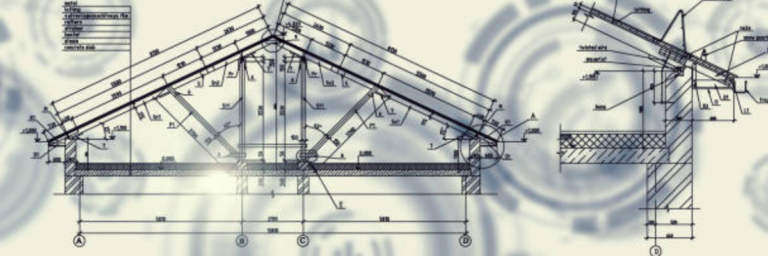
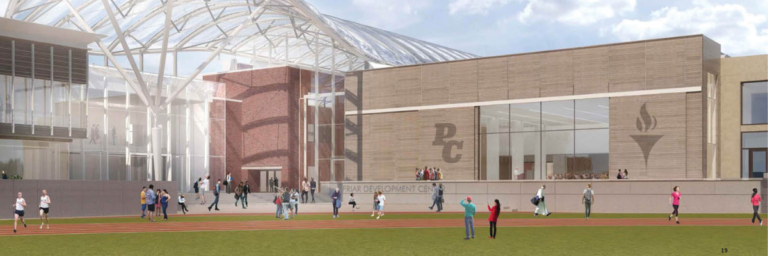
The choice between tensile structures and traditional roof systems depends on various factors such as purpose, aesthetics, budget, and functional requirements. Each system has its advantages and limitations, making them suitable for different applications. Below is a detailed comparison to help you determine which is better for your specific needs.
1. Material and Construction
| Aspect | Tensile Structures | Traditional Roof Systems |
|---|---|---|
| Material | Lightweight fabrics (PVC, PTFE, ETFE) and steel cables. | Concrete, steel, tiles, or wood. |
| Weight | Extremely lightweight. | Heavier, requiring stronger foundations. |
| Construction Speed | Quick installation due to prefabrication. | Longer construction time, involving multiple stages. |
2. Aesthetic Appeal
| Aspect | Tensile Structures | Traditional Roof Systems |
|---|---|---|
| Design Versatility | Offers dynamic and creative shapes (e.g., arches, cones). | Limited to standard shapes like flat or sloped roofs. |
| Architectural Impact | Modern, sleek, and futuristic. | Classical and conventional, fitting traditional styles. |
3. Functionality
| Aspect | Tensile Structures | Traditional Roof Systems |
|---|---|---|
| Span Coverage | Large column-free spans, ideal for open spaces. | Limited spans without additional structural support. |
| Natural Lighting | Translucent materials allow diffused natural light. | Requires skylights or windows for natural lighting. |
| Ventilation | Can be designed for better airflow. | Ventilation depends on additional systems like HVAC. |
4. Durability and Maintenance
| Aspect | Tensile Structures | Traditional Roof Systems |
|---|---|---|
| Lifespan | 15-30 years depending on material quality. | 30-50+ years with proper maintenance. |
| Maintenance | Low maintenance but requires periodic cleaning. | Higher maintenance, including repairs and painting. |
| Weather Resistance | Good resistance to wind, UV, and rain. | Excellent resistance, especially in harsh climates. |
5. Cost and Sustainability
| Aspect | Tensile Structures | Traditional Roof Systems |
|---|---|---|
| Initial Cost | Generally lower due to lightweight materials. | Higher due to heavier materials and labor-intensive processes. |
| Energy Efficiency | Excellent, with natural lighting and ventilation reducing energy costs. | Moderate, depends on insulation and additional systems. |
| Sustainability | Eco-friendly materials and recyclable components. | Limited sustainability unless using green materials. |
6. Applications
| Tensile Structures | Traditional Roof Systems |
|---|---|
| Best Suited For: | Best Suited For: |
| - Sports arenas, exhibition halls, event spaces. | - Residential homes, office buildings, and schools. |
| - Outdoor shading, patios, and amphitheaters. | - Factories, warehouses, and permanent structures. |
| - Temporary or semi-permanent installations. | - Long-term, highly durable applications. |
Advantages and Limitations
Tensile Structures
Advantages:
- Lightweight and quick to install.
- Highly customizable and modern in appearance.
- Ideal for large spans and open spaces.
Limitations:
- Shorter lifespan compared to traditional systems.
- Limited thermal insulation without additional layers.
Traditional Roof Systems
Advantages:
- Extremely durable with better insulation properties.
- Suitable for permanent, load-bearing structures.
Limitations:
- Higher construction time and cost.
- Limited design flexibility and aesthetic appeal.
Frequently asked questions
How long does installation take?
Smaller canopies are often installed within a few days once fabrication is complete. Larger membrane roofs take longer. We share a schedule with the quotation.
Can I choose the colour and shape?
Yes. Membranes come in white and a range of colours, and the form u2014 cone, saddle, arch, barrel or sail u2014 is chosen to suit the space and the look you want.
What is a tensile structure?
A tensile structure is a roof or canopy that gets its stability from a fabric membrane held in tension by steel masts, frames and cables. Because the membrane carries load in tension, it can span wide areas with very little structure.